Evaluate the position before moving
Count immediate threats, vulnerable checkers, board strength and the racing situation before comparing candidate moves. A move that looks safe locally may create a larger positional problem.
Keep more than one plan available. Flexible structures make it easier to react when the next roll changes the character of the game.
Backgammon Quest promotes fair competition, strategy, discipline and respect for players.
Balance attack, safety and timing
Attacking is strongest when it also improves your board. Safety matters more when a hit would expose several checkers or destroy your timing.
In racing positions, efficiency becomes more important. In contact positions, anchors, blocks and board strength often outweigh a small racing lead.
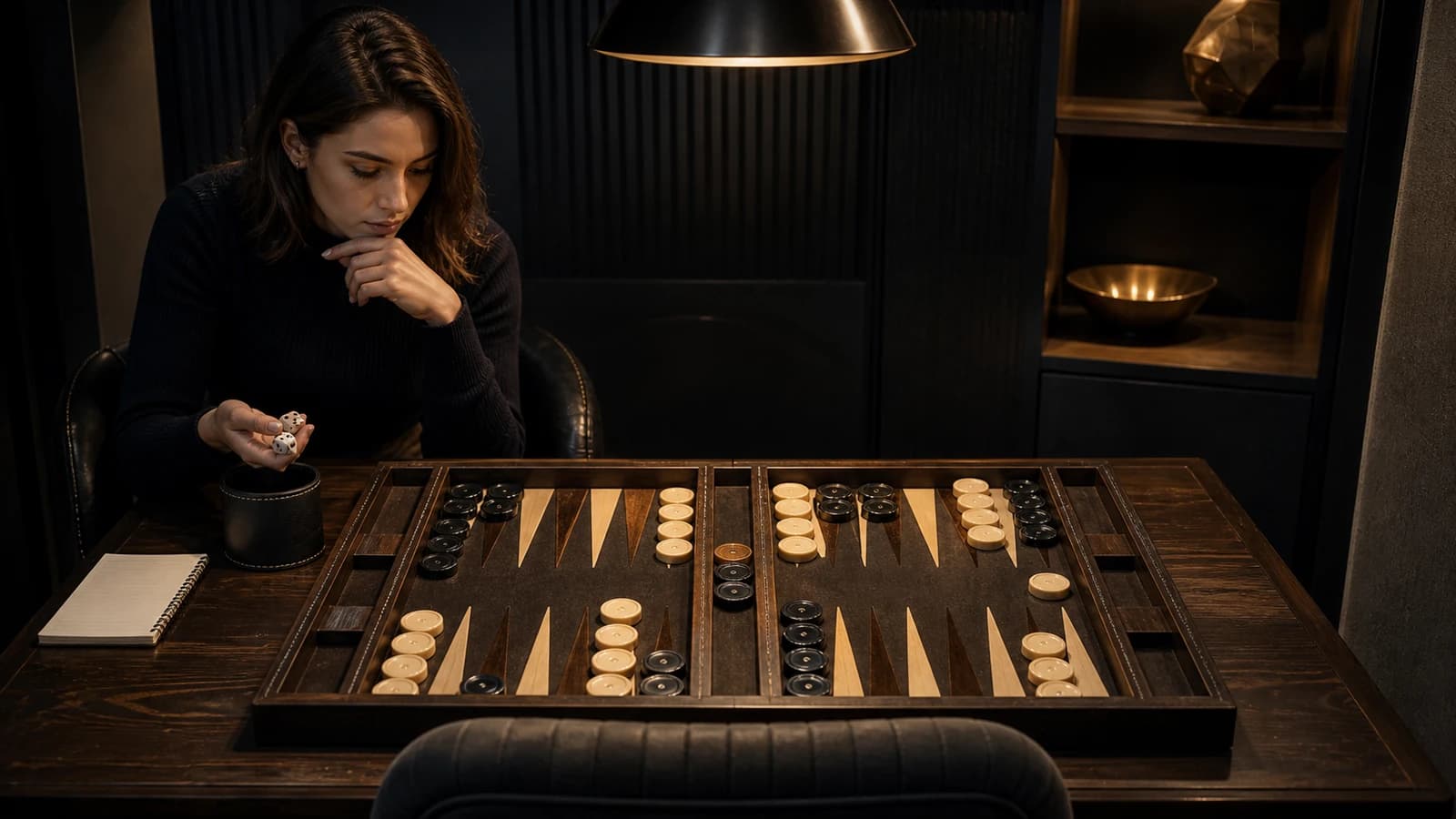
Review decisions instead of only results
A winning move can still be poor, and a strong move can lose after an unfavourable roll. Judge the information available at the moment of the decision.
After a match, record positions that caused uncertainty and compare alternatives. Repeated analysis turns isolated lessons into a stable process.
Questions and answers
What should a beginner study first?
Start with legal movement, checker safety, basic racing and the value of building points.
Is the safest move always best?
No. The best move balances risk with positional gain and depends on the whole board.
How can I improve faster?
Play focused matches, save difficult positions and review decisions that repeat most often.
Apply the strategy in a real match
Choose a suitable game on Backgammon Quest and focus on one strategic theme during the match.
Start a game